A Deep Study the Aluminum Casting Refine: From Design to Final Product
The light weight aluminum Casting procedure encompasses several crucial phases, each calling for precision and competence. It begins with the layout phase, where concepts evolve into thorough specifications. The preparation of mold and mildews complies with, employing different casting techniques. After melting and pouring, the cooling stage determines the last properties of the aluminum. The journey doesn't finish there; completing processes play a significant duty in attaining quality requirements. What occurs following in this complex procedure?
Understanding Light Weight Aluminum Casting
Aluminum Casting is an essential process in manufacturing that entails putting molten light weight aluminum right into a mold to create various shapes and elements. This method is preferred for its ability to create intricate layouts with excellent dimensional precision. The procedure starts with choosing premium light weight aluminum alloys, which are after that melted at raised temperatures. Once in a liquid state, the aluminum is meticulously poured right into mold and mildews, which can be made from sand, metal, or other materials, relying on the wanted end product.
Cooling occurs as the molten aluminum solidifies, developing the preferred shape. After cooling down, the spreadings are removed from the molds and undergo finishing processes such as machining or surface area treatment to enhance their residential or commercial properties and appearance. Comprehending light weight aluminum Casting not just highlights its value in engineering and manufacturing yet also emphasizes its flexibility in generating light-weight, sturdy elements for numerous sectors, consisting of automotive, aerospace, and consumer items.
The Layout Refine: From Concept to CAD
The design process for aluminum Casting starts with first concept growth, where concepts are changed right into tangible requirements. Following this stage, CAD modeling techniques are utilized to create specific electronic representations of the styles. This change from idea to CAD is necessary for ensuring accuracy and expediency in the Casting procedure.
First Concept Advancement
Starting the layout procedure for aluminum Casting involves transforming abstract concepts right into concrete concepts. This stage is basic, as it lays the groundwork for effective product development. Designers team up with designers and stakeholders to specify the practical demands and aesthetic elements of the casting. Conceptualizing sessions often create numerous ideas, which are then reviewed for manufacturability, cost-effectiveness, and expediency. Sketches and initial versions may be developed to envision prospective designs. Responses from employee and clients is essential in fine-tuning these principles. Iterative discussions help to recognize prospective obstacles, making sure that the final design straightens with both technological specs and individual requirements. Eventually, this phase sets the stage for the change from principle to even more thorough electronic representations.
CAD Modeling Techniques
As the layout process shifts from first concepts to in-depth depictions, CAD modeling methods come to be crucial devices for engineers and developers. These strategies permit for the development of precise, scalable electronic models that precisely show the desired physical product. Typical techniques consist of 3D solid modeling, surface modeling, and parametric style, each offering one-of-a-kind capacities for different task requirements. Designers make use of software application like AutoCAD, SolidWorks, and CATIA to improve styles, replicate performance, and determine potential concerns before manufacturing. The integration of CAD with various other modern technologies, such as finite element analysis (FEA), boosts the style procedure further by forecasting product habits under anxiety. Inevitably, efficient CAD modeling improves communication among group participants and improves the total effectiveness of the light weight aluminum Casting process.
Preparing the Mold And Mildew: Sand, Pass Away, and Investment Casting
When preparing mold and mildews for aluminum spreading, the option of approach substantially affects the end product's top quality and precision. 3 key methods are typically utilized: sand spreading, pass away spreading, and investment casting.
Sand Casting entails producing a mold from sand, which is functional and cost-effective, making it appropriate for big parts and complex geometries. This method, nevertheless, may produce a rougher surface area finish compared to various other strategies.
Pass away casting employs metal mold and mildews, allowing high-volume production and outstanding dimensional accuracy. This method is excellent for producing complex styles with smooth surfaces and tight tolerances but needs higher ahead of time expenses because of mold fabrication.
Financial investment spreading, additionally understood as lost-wax spreading, offers remarkable precision and surface area finish, making it appropriate for intricate parts. This approach involves creating a wax pattern, which is covered in ceramic, enabling great information throughout the Casting procedure. Each approach has its benefits, affecting the spreading's features and applications.
Pouring and melting Aluminum: Techniques and Tools
In the light weight aluminum Casting procedure, reliable melting and pouring techniques are crucial for attaining top notch outcomes. Various melting approaches and specialized putting equipment play a considerable function in guaranteeing suitable fluidness and temperature control - Aluminum Casting Manufacturer. Comprehending these essentials is crucial for both newbie and skilled factory experts
Melting Strategies Review
A selection of melting techniques are employed in the light weight aluminum Casting procedure, each customized to details applications and manufacturing scales. Typical techniques include crucible melting, where aluminum is heated up in a ceramic or steel container, frequently appropriate for tiny batches. Induction melting utilizes electromagnetic areas to warmth light weight aluminum swiftly and successfully, ideal for larger production requirements. Electric arc furnaces supply a high-temperature atmosphere, making them suitable for recycling aluminum scrap. Additionally, rotating heating systems supply a continuous melting process, improving efficiency. Each technique has its advantages, Discover More Here such as energy performance, melting rate, and worldly quality, making sure that manufacturers can choose the most proper approach based upon their functional requirements and preferred results in the Casting procedure.
Pouring Tools Essentials
Following the melting process, effective pouring equipment plays a substantial function in guaranteeing the successful transfer of molten light weight aluminum right into mold and mildews. Trick elements consist of ladles, pouring mugs, and automated putting machines. Ladles, usually made of heat-resistant products, are designed to hold and transfer liquified light weight aluminum safely. Putting cups improve control during the transfer, visit assisting in a stable pour to minimize disturbance and oxidation. Automated putting machines are increasingly preferred, ensuring constant circulation rates and reducing human error. These equipments can be configured for precision, optimizing casting top quality. Furthermore, temperature level surveillance tools are crucial to ensure the molten aluminum stays within the suitable temperature variety, further improving the high quality of the last actors item. Proper selection and upkeep of putting devices are vital for effectiveness and security.
Air conditioning and Solidification: Changing Liquid to Strong
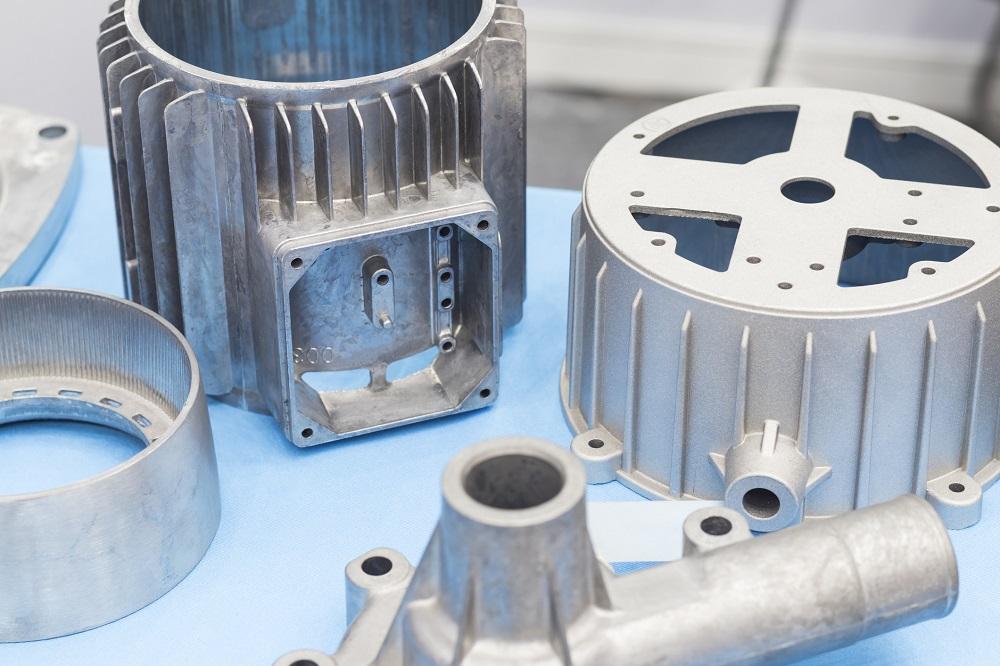
Air conditioning and solidification play a vital role in the light weight aluminum Casting procedure, as they identify the final residential or commercial properties of the actors metal. After putting, the liquified aluminum starts to lose warm, moving from liquid to strong. This cooling phase is critical, as it influences mechanical properties such as ductility, microstructure, and stamina. The rate of cooling can differ based on factors such as mold and mildew product, density, and environmental problems. Fast cooling may lead to a finer grain structure, boosting toughness, while slower air conditioning can cause coarser grains, impacting ductility.
Additionally, consistent air conditioning is critical to stop issues such as bending or fracturing. As the steel solidifies, the development of dendrites happens, which are tree-like frameworks that affect the general stability of the spreading. Recognizing the air conditioning and solidification characteristics enables engineers and foundry employees to maximize the procedure, making certain that the end product meets the necessary requirements and top quality standards.
Ending Up Procedures: Machining, Finishing, and Inspection
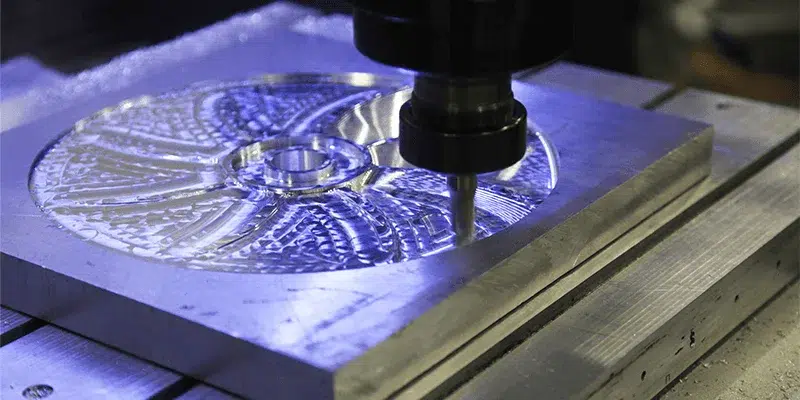
Completing processes are vital in refining light weight aluminum castings to fulfill stringent requirements and boost performance. These processes usually consist of examination, coating, and machining, each playing an important function in achieving visit homepage the desired quality.
Machining includes getting rid of excess product from the Casting to acquire accurate dimensions and surface finishes. Techniques such as milling, transforming, and grinding are commonly used to assure that the last product satisfies layout tolerances.
Layer serves to protect the aluminum surface area from ecological aspects, improving rust resistance and aesthetic allure. Alternatives consist of anodizing, powder layer, and painting, each offering distinct benefits depending on the application.
Assessment is vital to confirm that the completed spreadings meet high quality requirements. Methods such as aesthetic inspection, dimensional checks, and non-destructive screening are utilized to find any type of defects. With each other, these finishing processes guarantee that aluminum spreadings are reliable, durable, and prepared for their desired applications.
Applications of Aluminum Castings in Various Industries
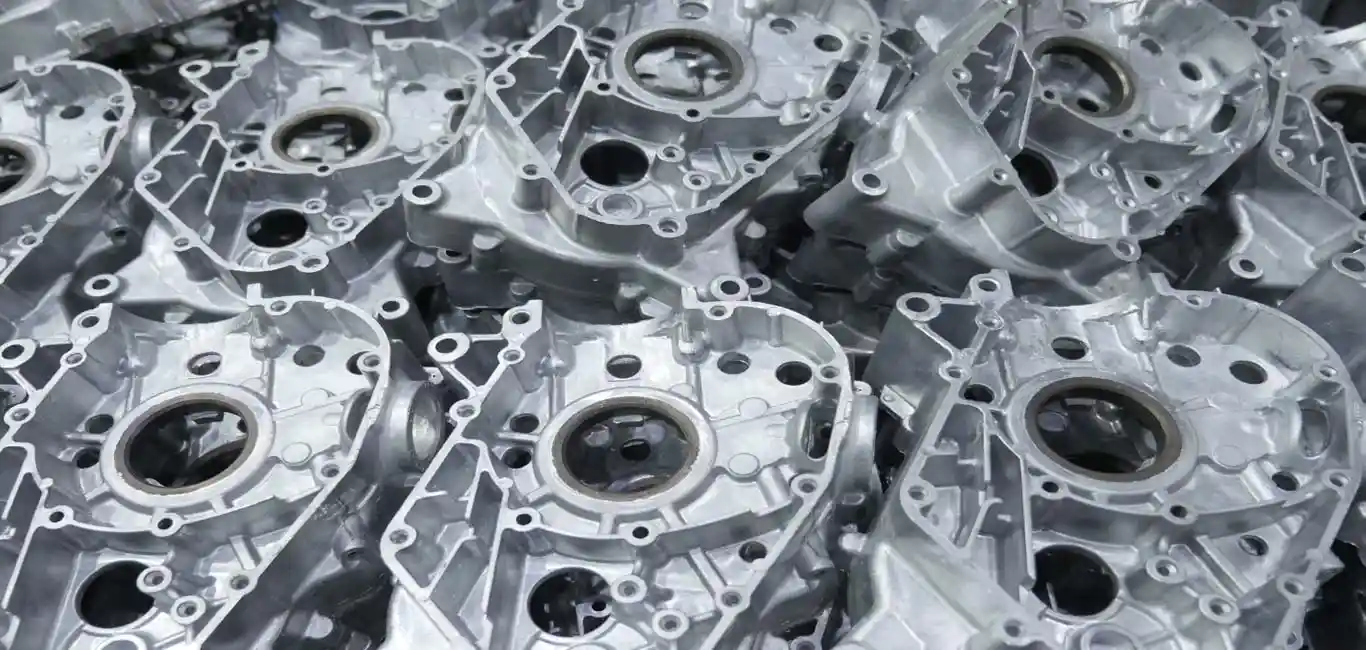
Additionally, the durable goods field includes aluminum castings in items like pots and pans and devices, profiting from their thermal conductivity and toughness. The building market uses light weight aluminum spreadings in home window frames, doors, and ornamental aspects, enhancing appearances while keeping performance. Additionally, the marine sector depends on aluminum spreadings for watercraft components, where resistance to saltwater corrosion is crucial. On the whole, light weight aluminum spreadings supply ingenious solutions across numerous applications, making them vital in modern-day manufacturing procedures.
Regularly Asked Inquiries
What Are the Ecological Influences of Aluminum Spreading?
The environmental impacts of light weight aluminum Casting consist of energy-intensive production, greenhouse gas exhausts, and prospective water pollution. Additionally, mining bauxite for aluminum adds to habitat devastation, while reusing initiatives can mitigate some adverse impacts.
Just How Does Light Weight Aluminum Casting Compare to Various Other Steel Casting Procedures?
Aluminum casting normally provides advantages like lightweight residential properties and rust resistance contrasted to various other steel Casting processes. However, it may have limitations in toughness and temperature level resistance, making its suitability depending on specific application demands.
What Safety And Security Precautions Are Required During Aluminum Casting?
During light weight aluminum casting, safety and security preventative measures consist of wearing safety equipment, making certain proper ventilation, preserving devices, and adhering to stringent procedures to manage liquified steel. These measures aim to reduce threats such as burns, inhalation of fumes, and equipment malfunctions.
Can Light Weight Aluminum Castings Be Recycled After Use?
Light weight aluminum castings can undoubtedly be recycled after use. The recycling process retains the product's residential or commercial properties, making it a lasting option. This technique greatly reduces waste and conserves energy, promoting ecological duty in making industries.
What Are Common Defects in Light Weight Aluminum Castings and Their Causes?
Typical issues in light weight aluminum spreadings consist of porosity, cold shuts, and shrinking - Aluminum Casting Manufacturer. These problems typically arise from poor melting temperature levels, inappropriate mold and mildew layout, and inadequate air conditioning prices, impacting the total top quality and efficiency of the last product
Light weight aluminum Casting is a crucial procedure in producing that involves putting liquified aluminum right into a mold to create various forms and elements. The design process for light weight aluminum Casting begins with first idea development, where ideas are changed into substantial specifications. Launching the style procedure for aluminum Casting includes transforming abstract ideas right into tangible ideas. In the aluminum Casting process, effective melting and putting strategies are essential for accomplishing high-grade results. A range of melting techniques are utilized in the aluminum Casting procedure, each customized to certain applications and production scales.
Comments on “10 Factors to Review Before Choosing an Aluminum Casting Manufacturer”